A Career Built On Digitizing, Quality Control And Production
From training on Wilcom software to running an industrial workshop with Barudan machines and a laser cutter, this experience covers every side of embroidery production: pattern digitizing, quality control, and manufacturing for international brands such as Levi’s, Kenzo and Benetton. Each role below reflects a step in building the technical and production knowledge behind Brodivers today.
Career Timeline
Founder & Manager — BroDivers
Industrial embroidery workshop · Sahline, Tunisia
- Founded and managed a workshop equipped with 5 Barudan machines and a laser-cutting machine.
- Full ownership of production, quality control, client relationships and business development.
- Production for Sartex, Denim Services, Benetton, Tanit Textile and Absorba.
Embroidery Technician & Pattern Designer — ADAM 3M
Monastir, Tunisia
- Digitized embroidery designs for international garment factories.
- Collaborated with Lee Cooper, Kenzo, 3 Suisses, Dia Collection, Paul & Shark and Levi’s.
- High-end embroidery on silk, velvet, organza, denim and knitwear.
Production & Quality Manager — Mondial Broderie
Monastir, Tunisia
- Managed a workshop of 13 industrial embroidery machines (Barudan, Tajima, Pfaff, Feiya).
- Supervised production, quality control and embroidery design development.
- Developed new techniques: 3D puff embroidery, heat-transfer applications and automatic sequins.
Sales Representative & Trainer — MAC1
Embroidery machines · Monastir, Tunisia
- Sold embroidery machines, laser machines and industrial sewing machines.
- Official sales representative and trainer for Wilcom embroidery software.
- Technical consulting and after-sales customer support.
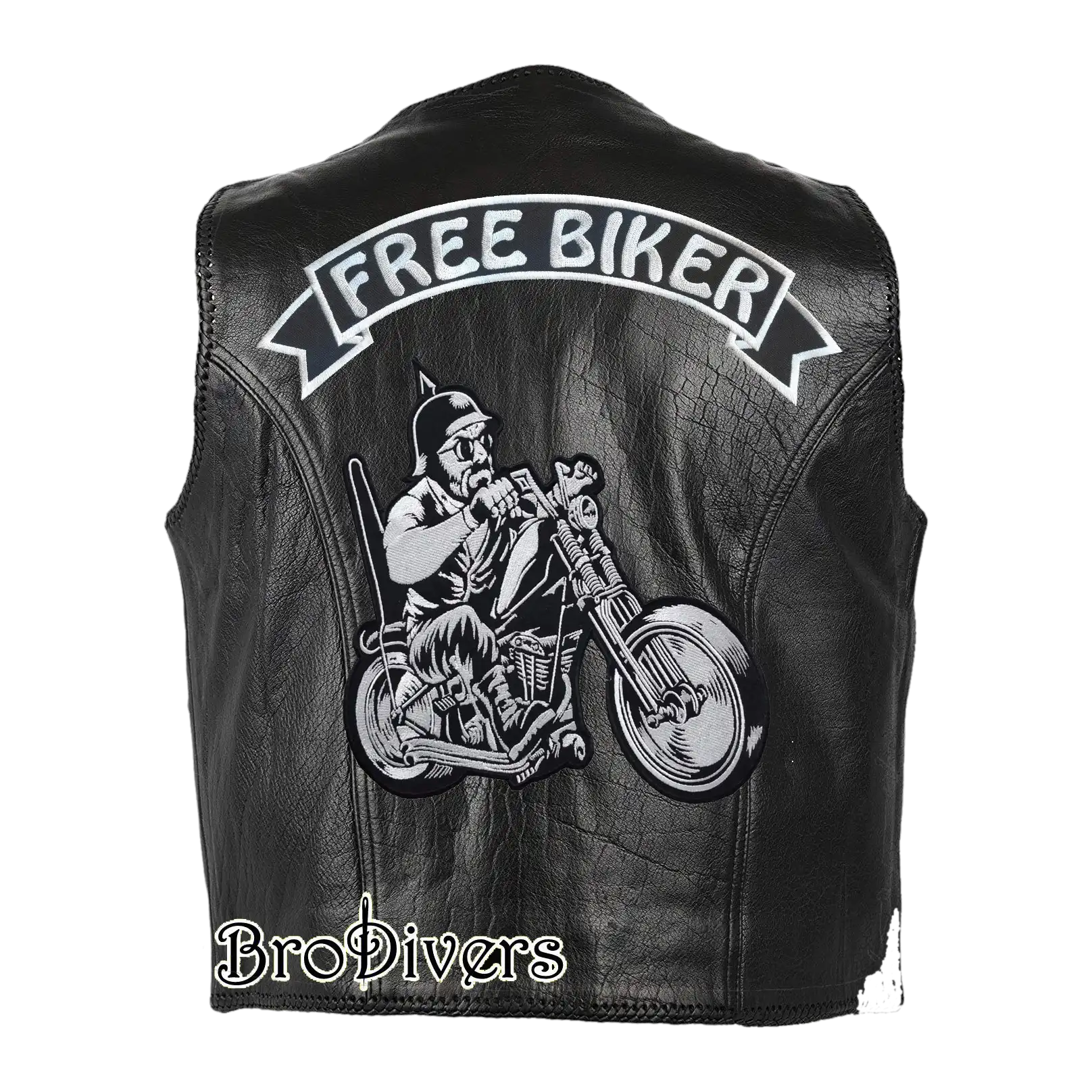
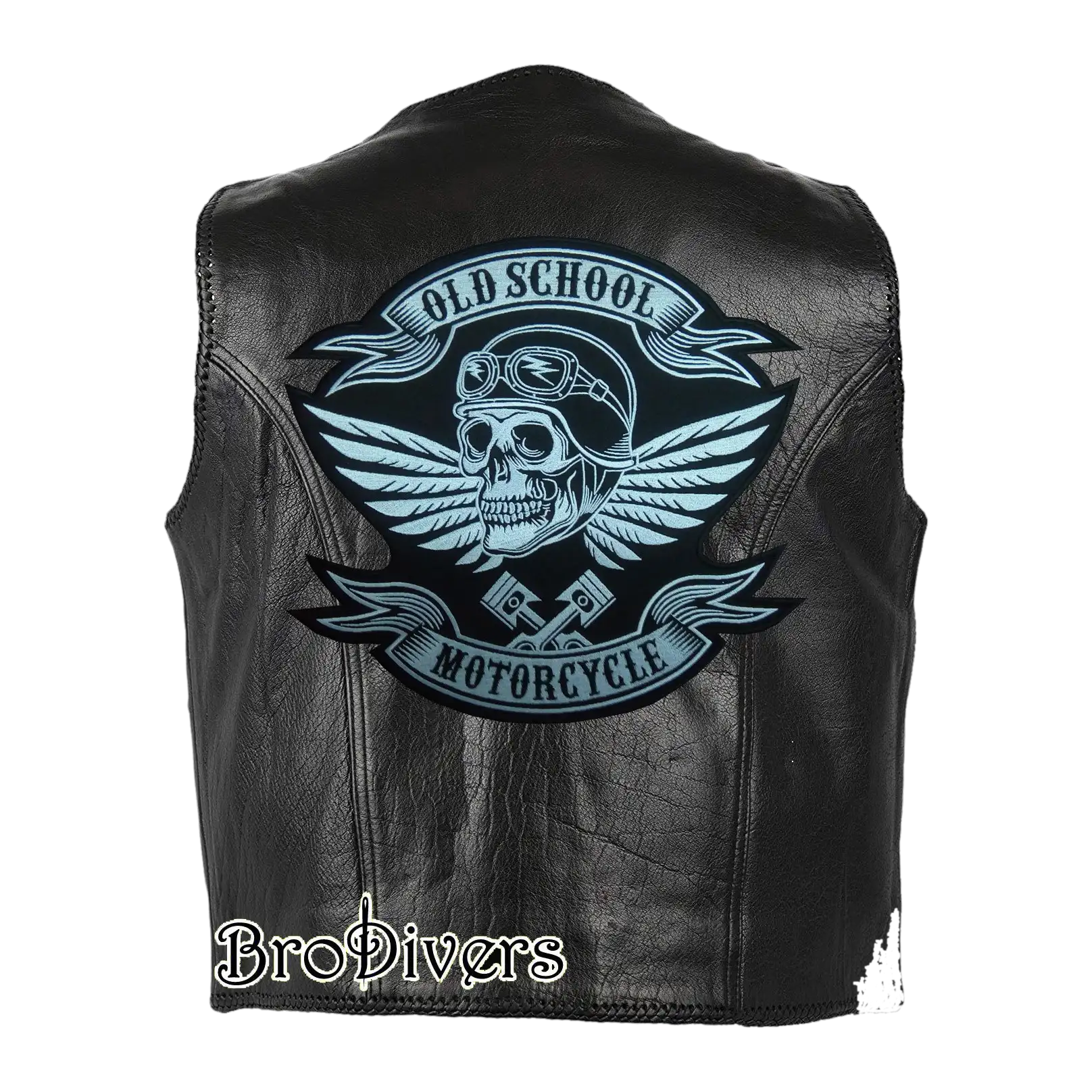
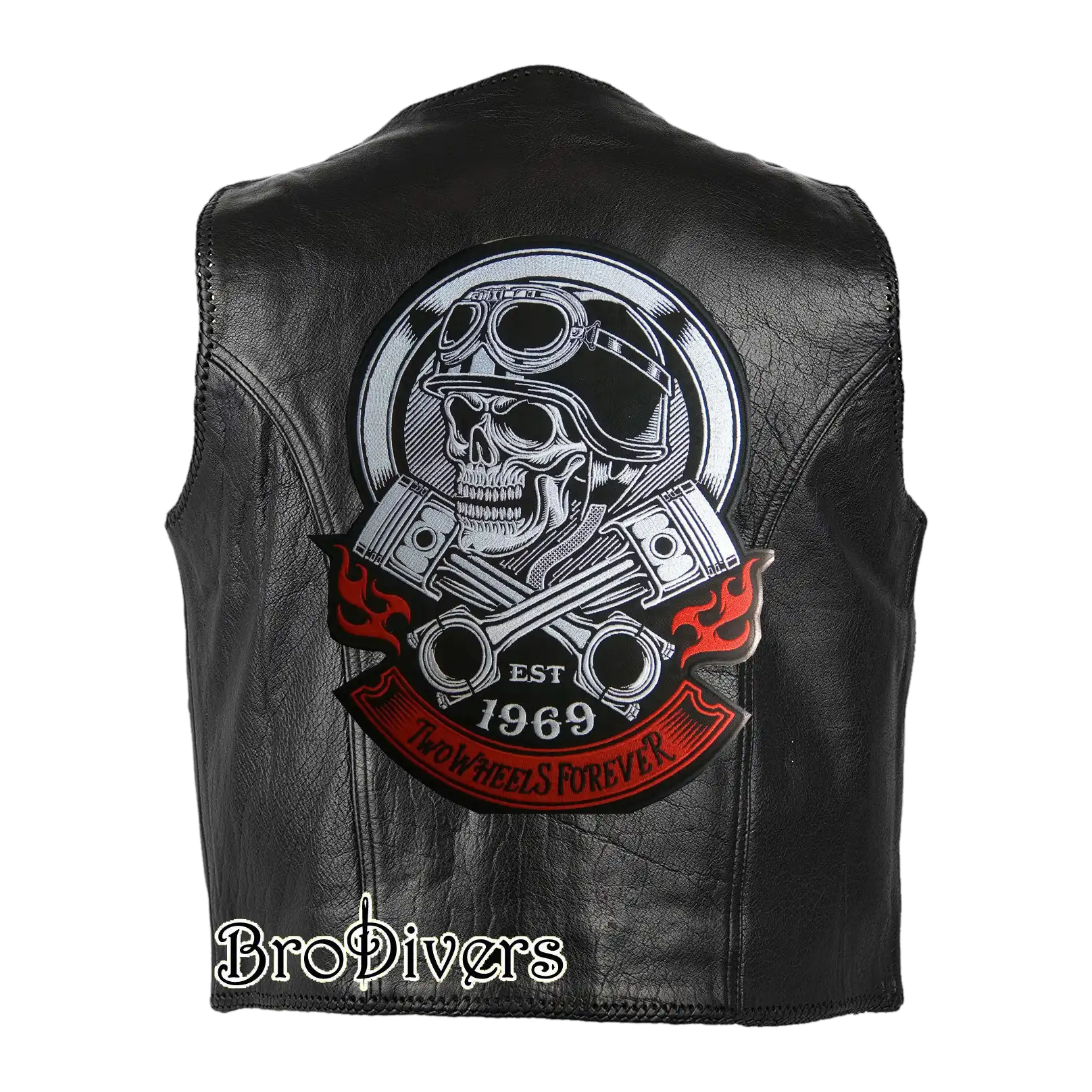
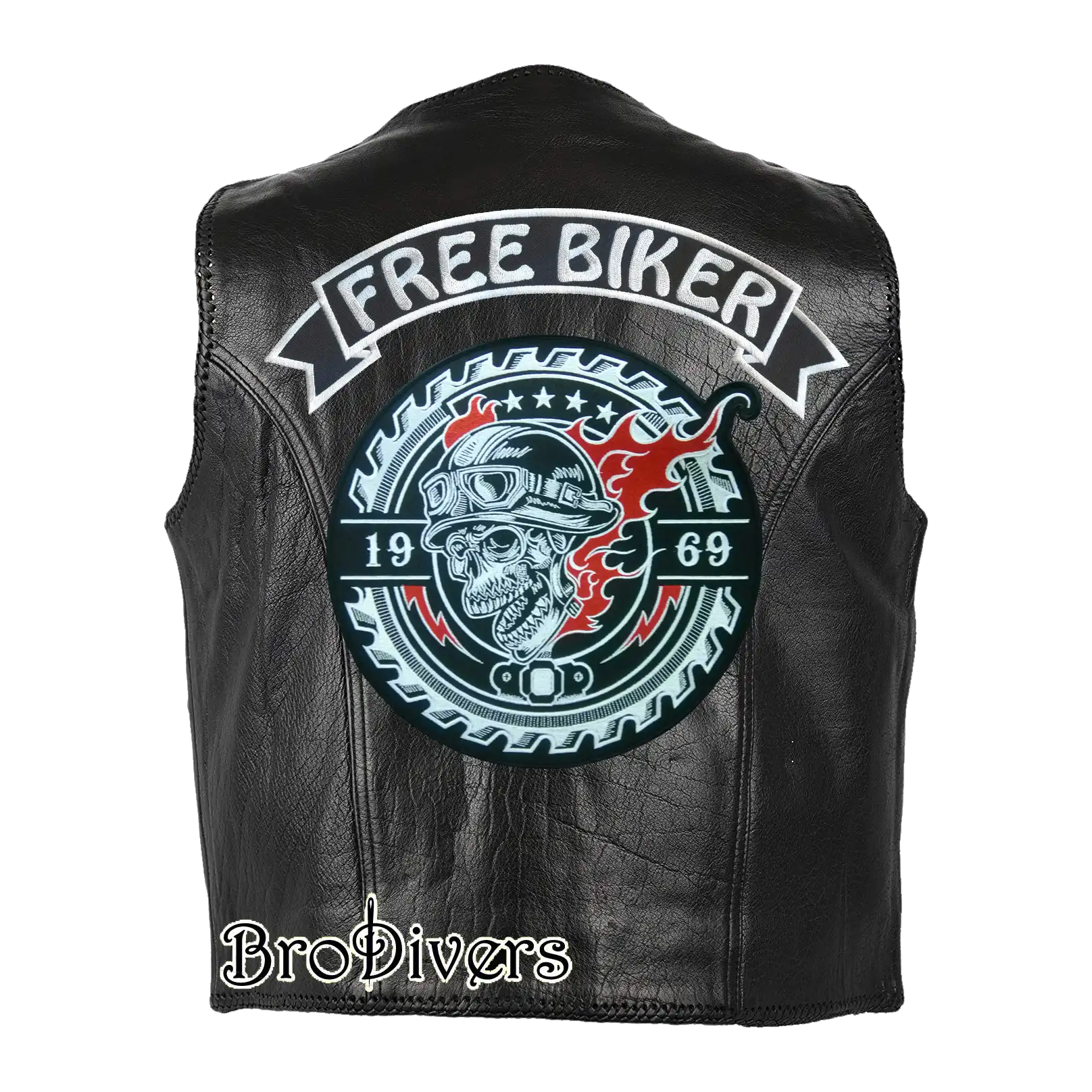
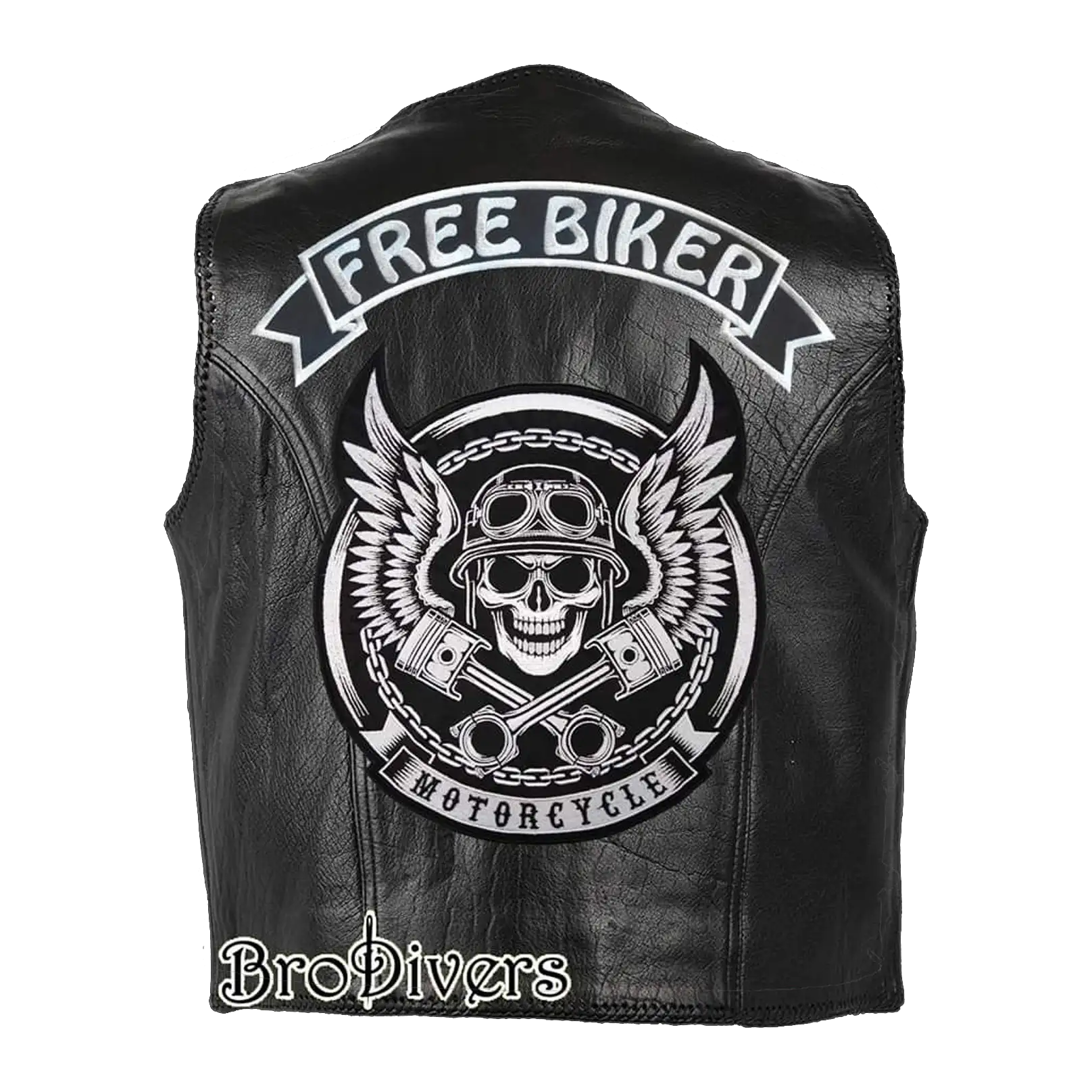
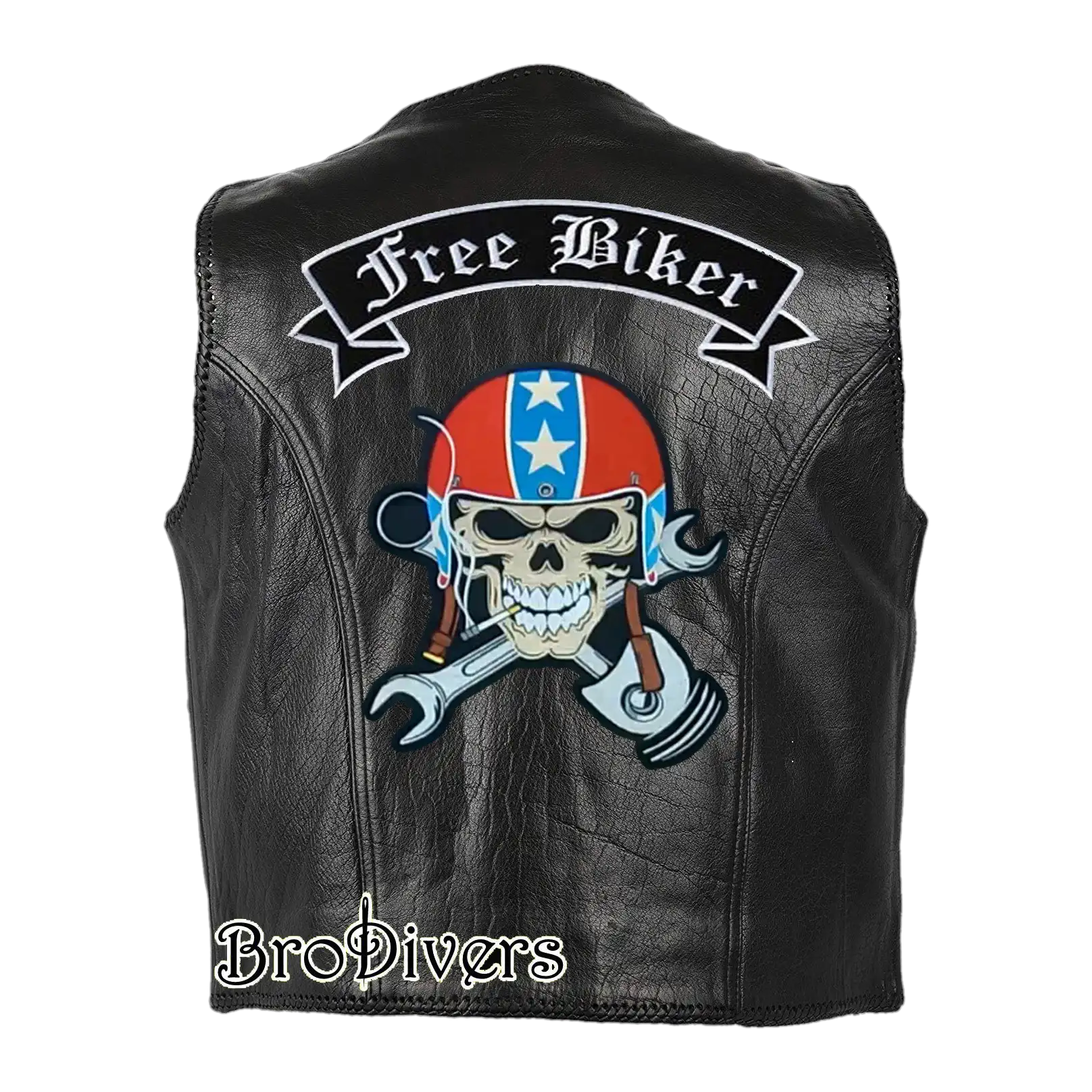
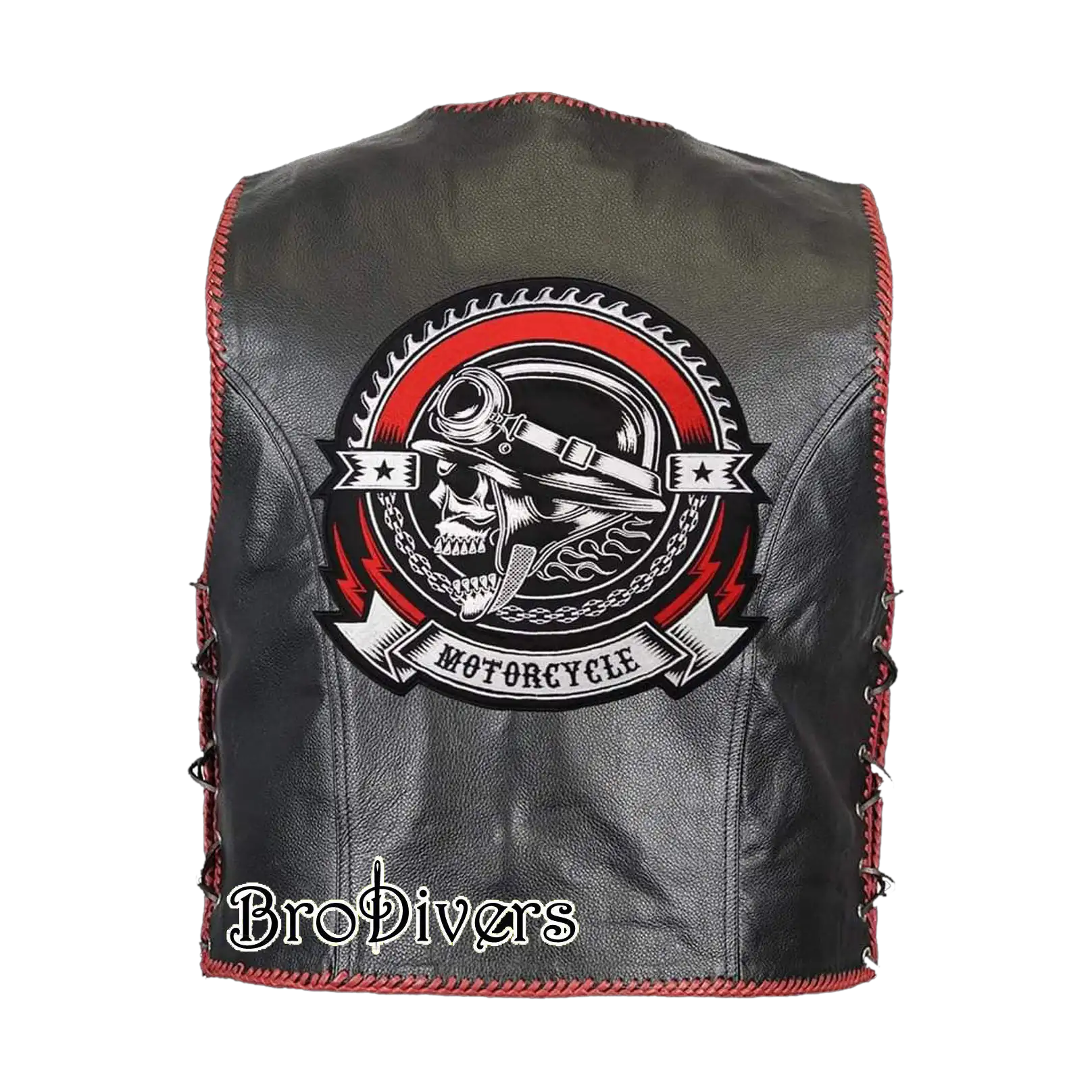
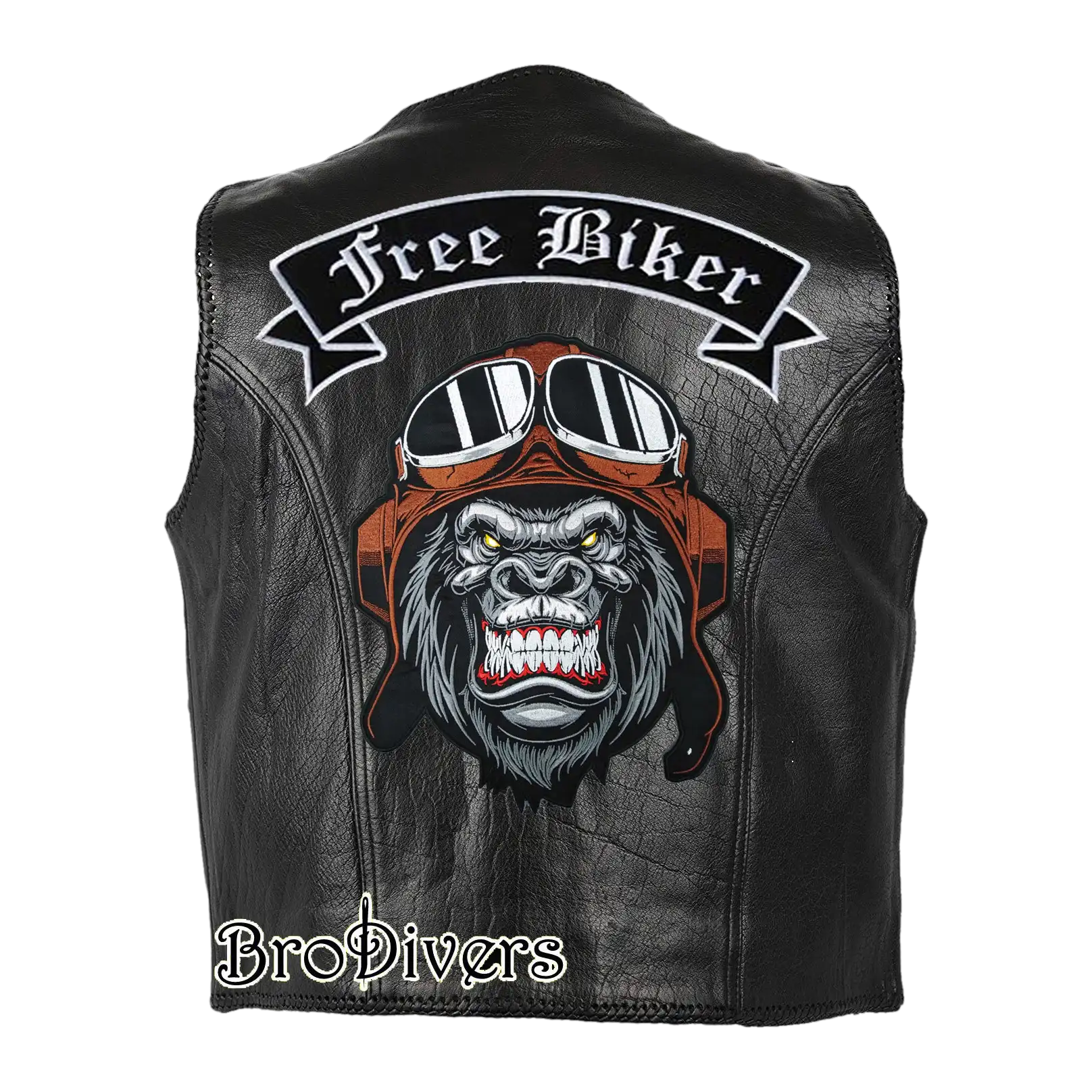
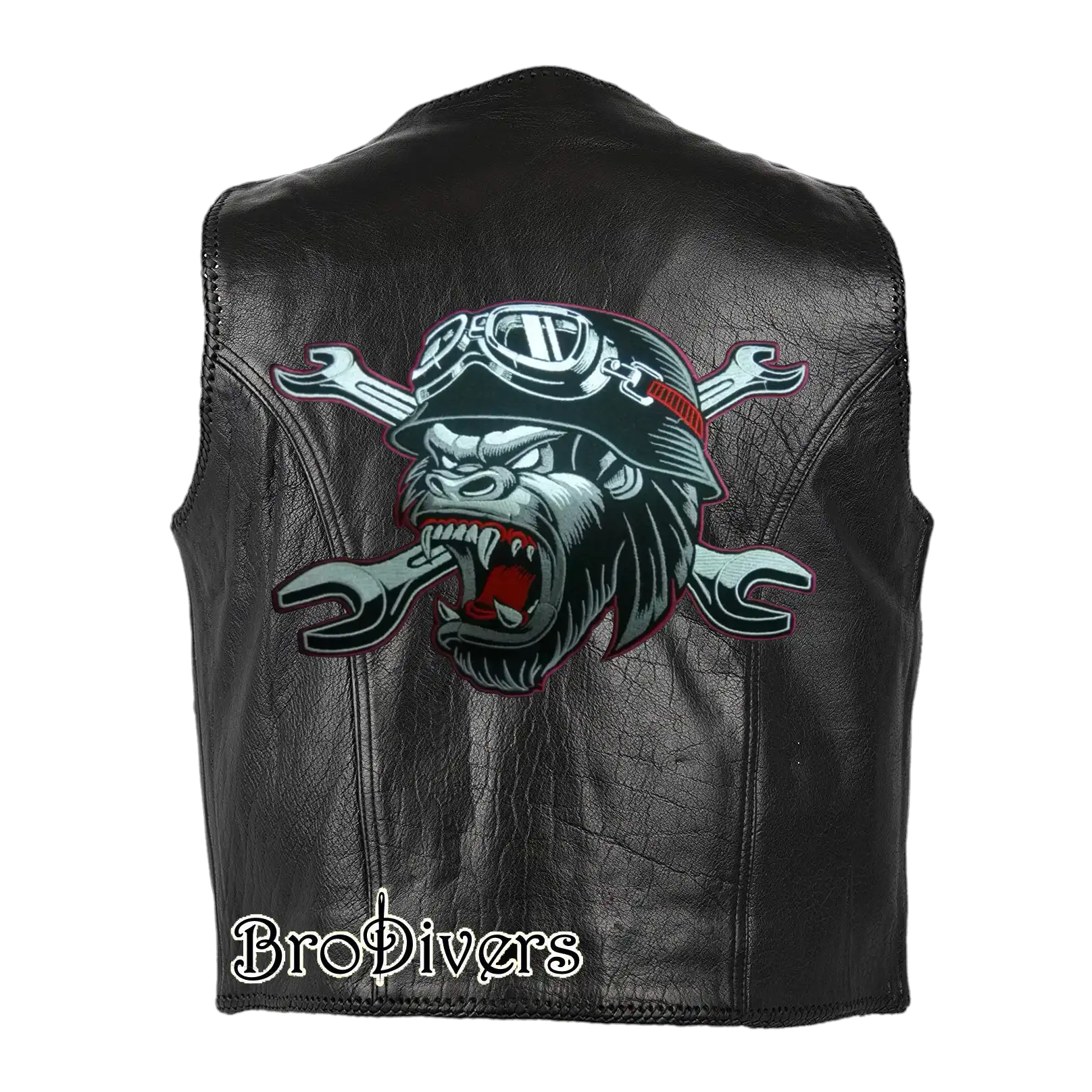
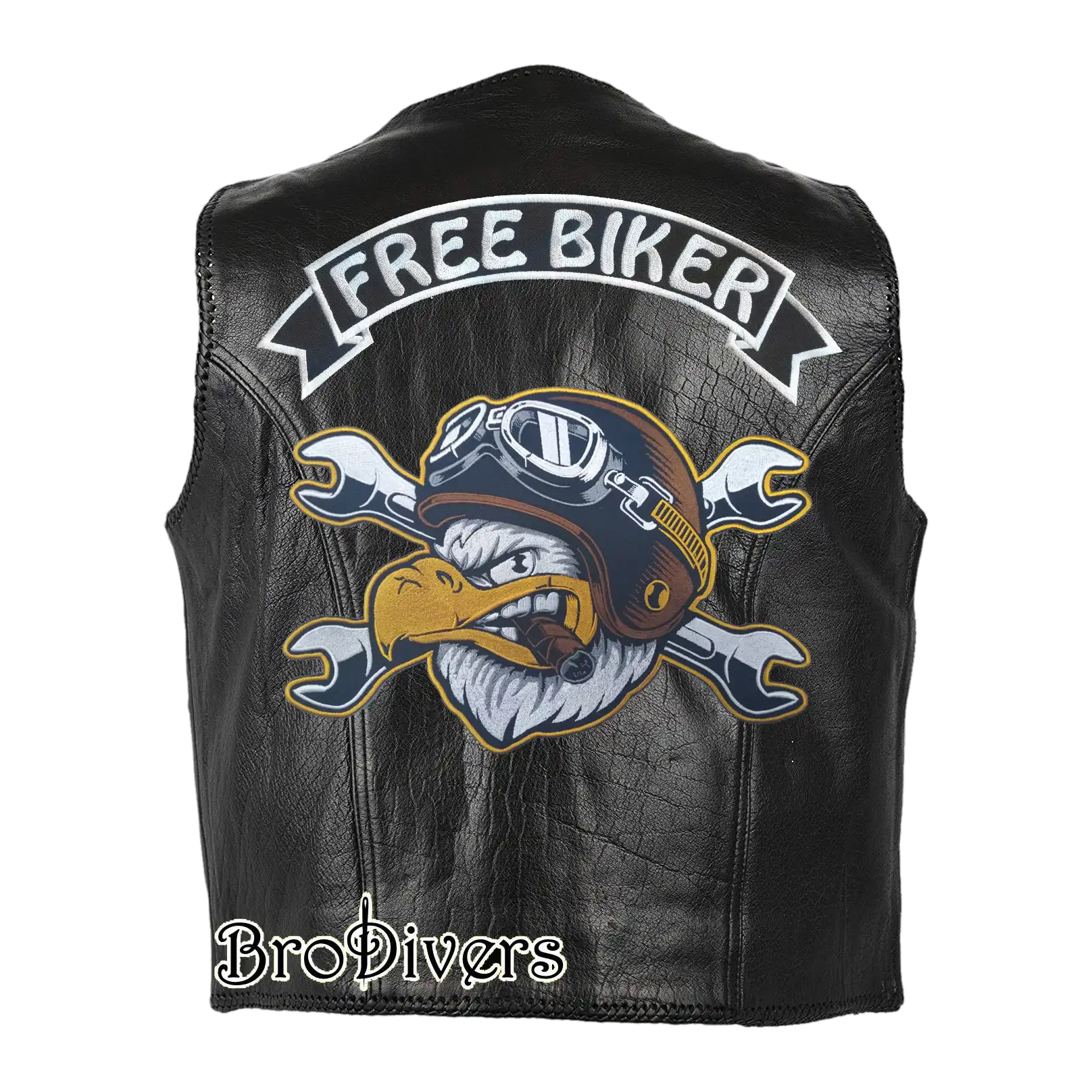
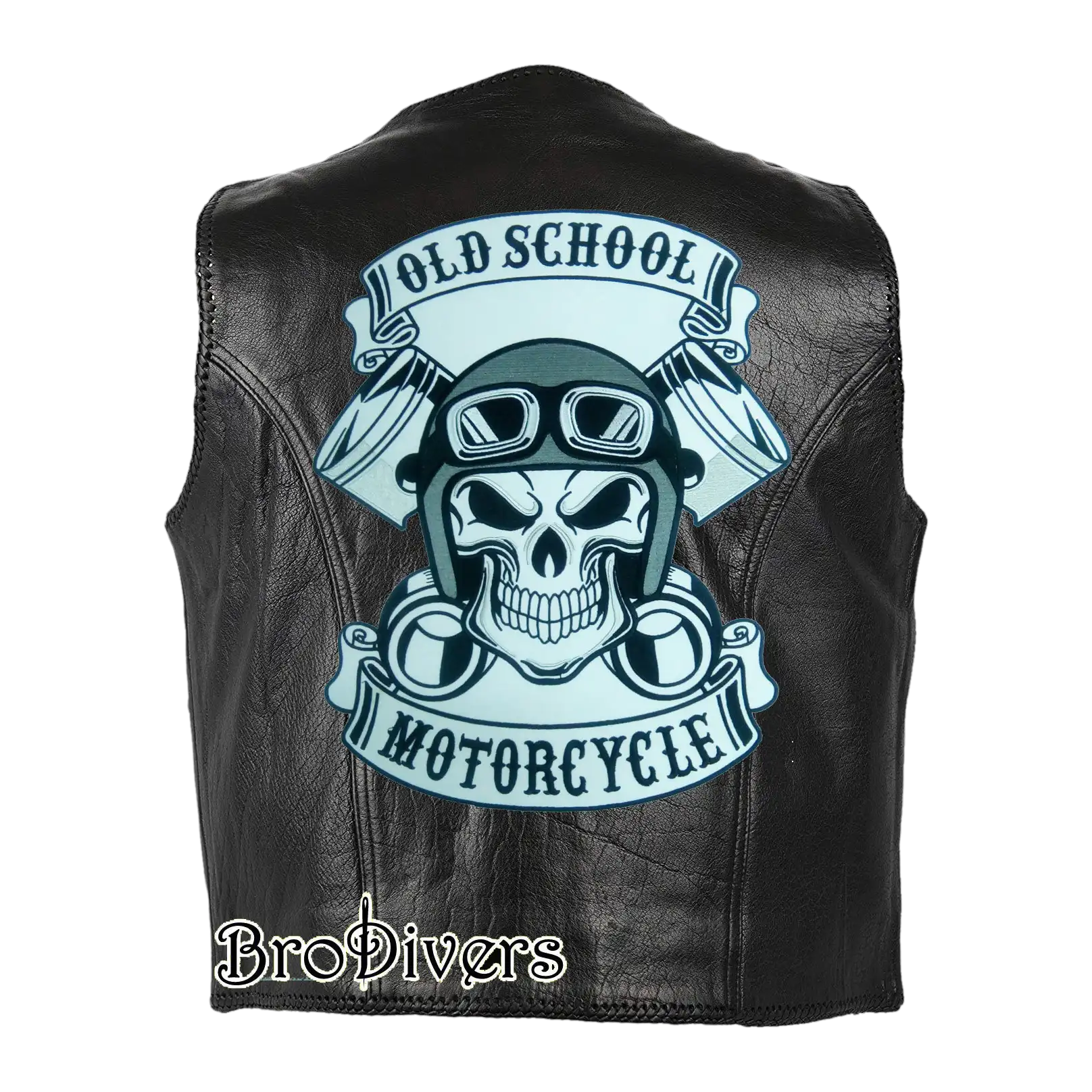
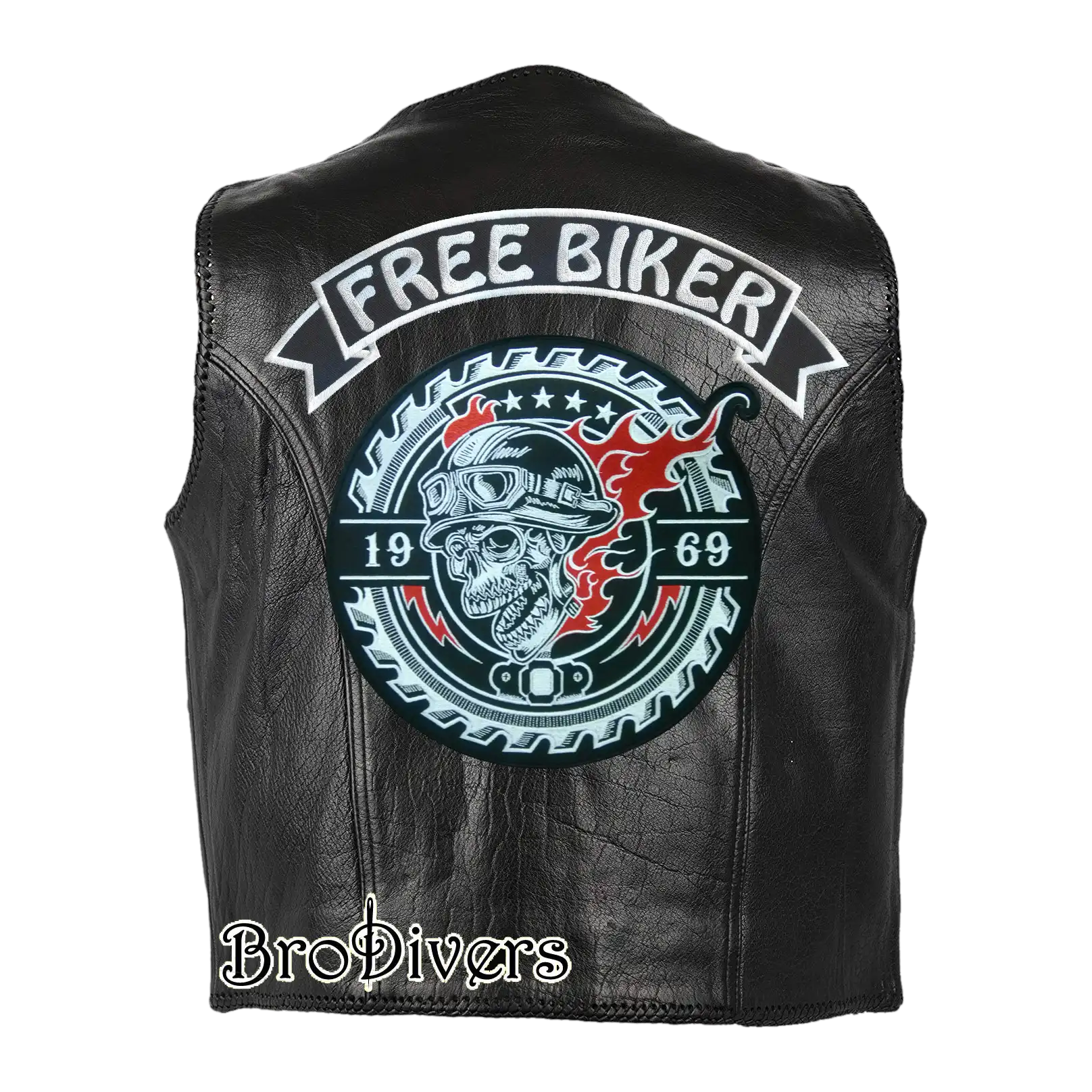
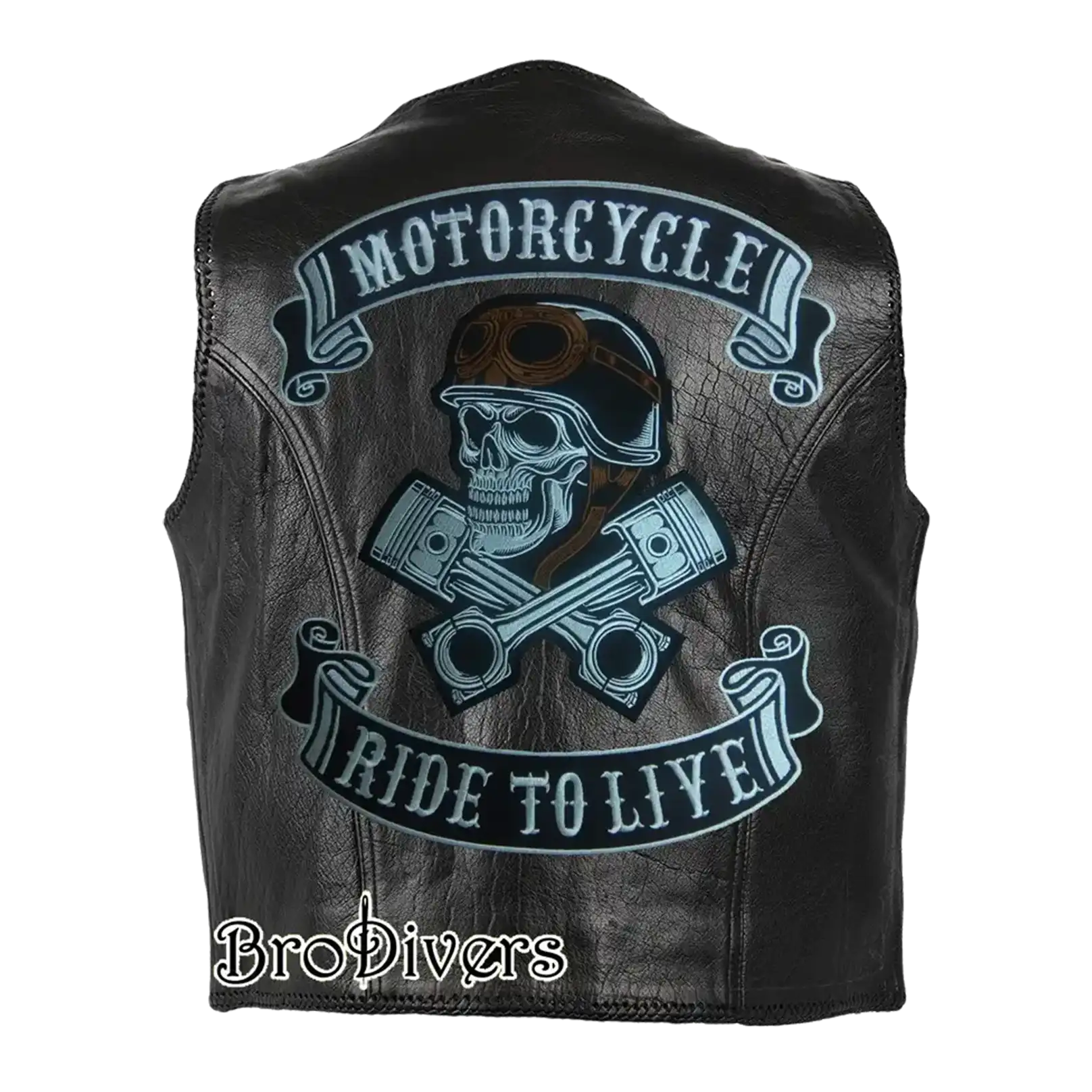
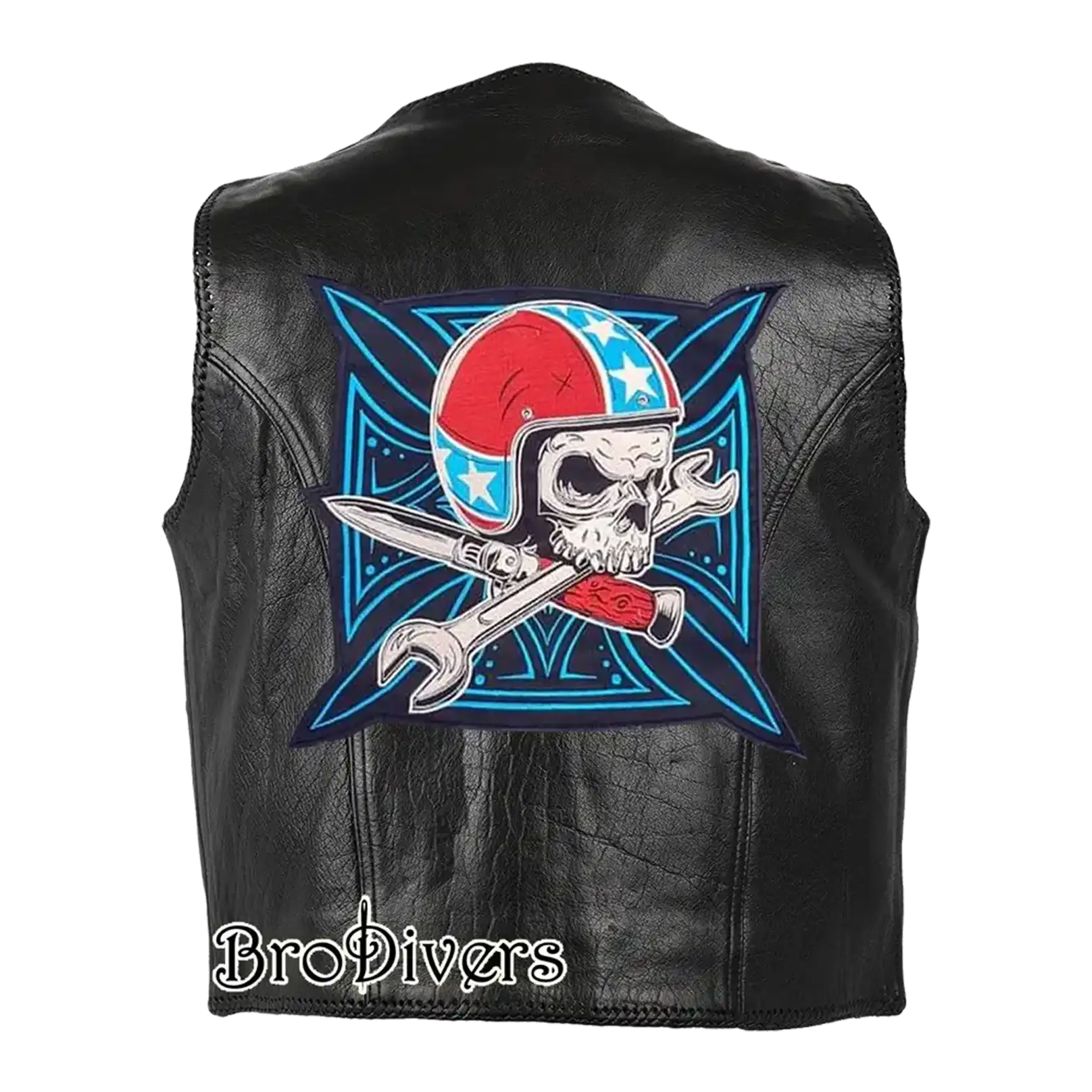
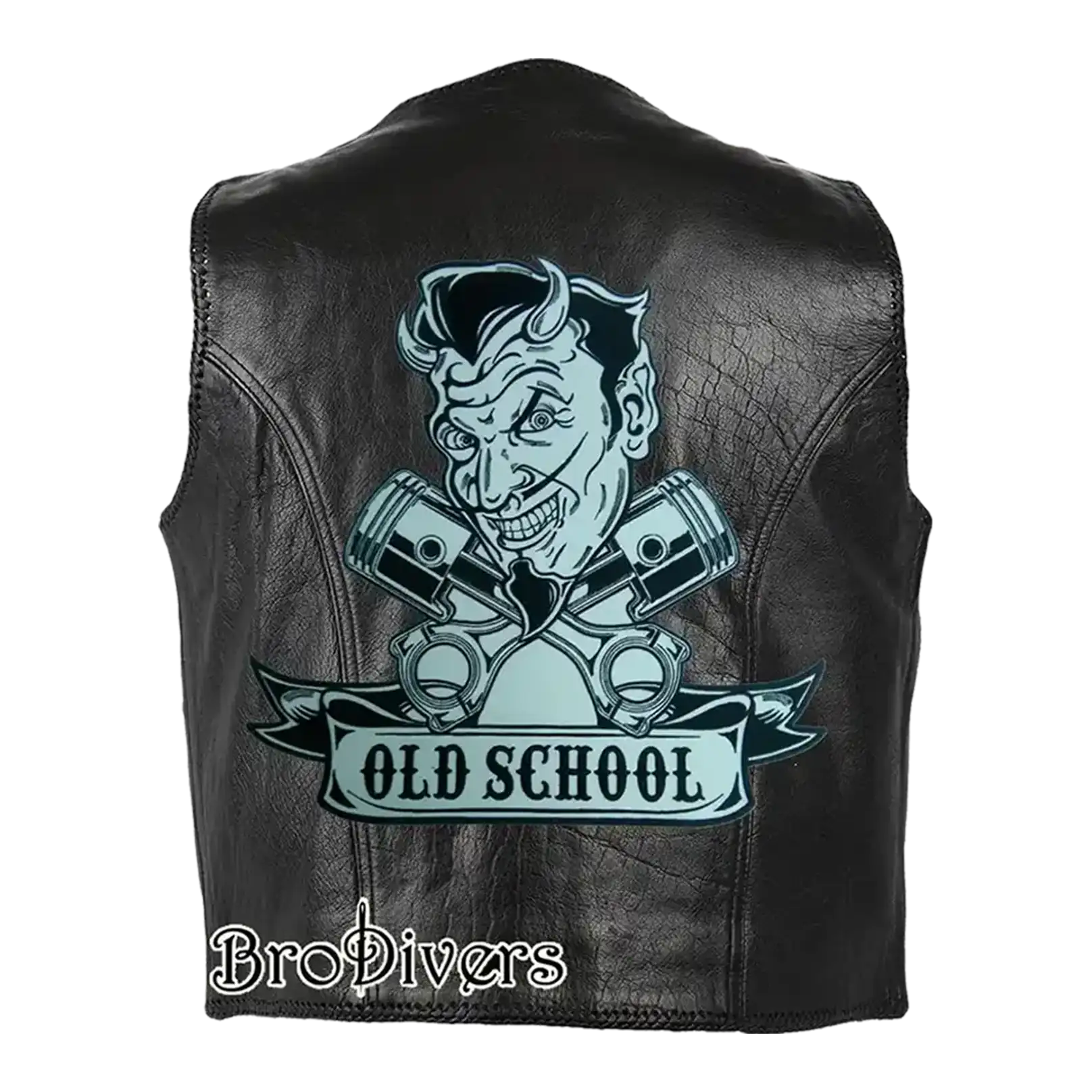
Custom Embroidered Patches and Badges
Embroidered patches and badges are produced separately and then attached to garments, bags or accessories by sewing, ironing or velcro. They are used by sports clubs, schools, corporate businesses, fashion brands, uniform suppliers and event organisers.
A well-produced embroidered badge requires a clean merrow border or flat edge, sufficient thread coverage across the design, and simplification of fine details that would not reproduce cleanly at badge size. Color contrast between design elements and background thread is essential for legibility. Thread selection — color accuracy, sheen and durability — directly affects the perceived quality of the finished badge.